Wine Profile
-
Style: Light white-style vegetable wine
-
Colour: Pale straw to light gold
-
Body: Light to medium
-
Sweetness: Dry to off-dry
-
Acidity: Low
-
Alcohol: 11–12% ABV
-
Yield: Approximately 1 UK gallon (4.5 L), around 6 × 750 ml bottles
-
Difficulty: Beginner to Intermediate
Harvest Calendar
-
Harvest Season: September – February (UK)
-
Best Picking Time: Young, firm turnips before they become woody
-
Suitable for Storage: Good
-
Suitable for Freezing: Yes
-
Best Source: Allotments, home gardens, farm shops and greengrocers
Best Varieties
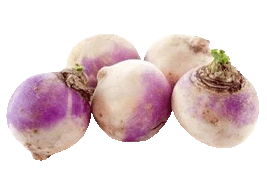
Most culinary turnips are suitable.
Recommended varieties include:
-
Purple Top Milan
-
Snowball
-
Tokyo Cross F1
-
Sweetbell
-
Golden Ball
Choose smooth, firm turnips with no signs of sprouting or soft spots.
Avoid large, woody turnips, which can produce a stronger earthy flavour.
Ingredients
-
5.0–6.0 lb (2.3–2.7 kg) turnips
-
2.0–2.25 lb (900 g–1.0 kg) white sugar
-
Water (to make up to 1 UK gallon (4.5 L) total volume)
-
Juice of 2 lemons (or 2 tsp acid blend)
-
1 tsp yeast nutrient
-
½ tsp pectic enzyme
-
1 Campden tablet (optional)
-
Wine yeast (half packet recommended):
Optional Ingredients
Preparation
-
Wash the turnips thoroughly.
-
Peel off the outer skin.
-
Dice into small cubes.
-
Place into a large saucepan and cover with water.
-
Simmer gently for 30–40 minutes until tender.
Do not boil vigorously.
Retain all of the cooking liquor.
Making the Must
-
Transfer the cooked turnips and cooking liquor into a sanitised fermentation bucket.
-
Dissolve the sugar into the hot liquid.
-
Add the lemon juice (or acid blend).
-
Top up with cool water to reach 1 UK gallon (4.5 L).
-
Allow the must to cool below 25°C (77°F).
-
Add:
- Cover and leave for 24 hours if Campden was added.
- Add the yeast and stir thoroughly.
Primary Fermentation
-
Ferment with the turnip pieces for 5–7 days.
-
Stir once daily.
-
Keep the vegetables submerged.
-
Maintain a fermentation temperature of 18–22°C.
The must develops a light, slightly sweet aroma during fermentation.
Transfer to Secondary
-
Strain out the turnip pieces.
-
Allow them to drain naturally.
-
Siphon into a sterilised demijohn.
-
Fit an airlock.
-
Top up with cooled boiled water if required.
Secondary Fermentation
Allow fermentation to continue for approximately 4–6 weeks.
Rack whenever sediment reaches around 1–2 cm.
Clearing & Aging
Once fermentation has finished:
Turnip wine matures more quickly than swede or parsnip wines.
-
Minimum aging: 6 months
-
Ideal aging: 9–12 months
-
Peak drinking: 1–2 years
Expected Results
Tips for Better Turnip Wine
-
Use young, tender turnips for the cleanest flavour.
-
Retain the cooking liquor—it contributes valuable flavour and body.
-
Lemon juice or acid blend is essential to balance the low natural acidity.
-
Raisins improve body without masking the wine's delicate character.
-
QA23 yeast produces an exceptionally crisp finish.
-
Drink within two years to enjoy its freshness.
Common Mistakes to Avoid
-
Using large, woody turnips.
-
Discarding the cooking liquor.
-
Overcooking until the flesh falls apart.
-
Forgetting the acid addition.
-
Allowing excessive oxidation during aging.
About Turnip Wine
Turnip wine was once a familiar sight in British country winemaking, particularly during the autumn and winter months when root vegetables were plentiful but fresh fruit was scarce. Resourceful homebrewers discovered that turnips could produce a surprisingly refined white-style wine when combined with sugar, citrus and careful fermentation.
Although less common today than carrot or parsnip wine, it remains an excellent example of traditional country winemaking, producing a light, elegant wine that reflects the ingenuity of earlier generations.
Serving Suggestions
-
Serve well chilled (8–10°C)
-
Excellent with grilled fish, roast chicken and turkey
-
Pairs beautifully with soft cheeses such as Brie and Camembert
-
Complements salads and light pasta dishes
-
Ideal as a summer lunch wine
Storage & Aging
-
Best consumed within 2 years
-
Store in a cool, dark place
-
Best drinking window: 9–24 months
-
Enjoy while the fresh character remains vibrant
Frequently Asked Questions
Does turnip wine taste like turnips?
No. The vegetable flavour becomes very subtle after fermentation, leaving a light, clean wine with delicate floral and citrus notes.
Can I use baby turnips?
Yes. Baby turnips often produce an even cleaner, sweeter wine and are an excellent choice if available.
Why is acid blend important?
Turnips are naturally low in acidity, so adding lemon juice or acid blend creates a brighter, more balanced wine.
Should I keep the skins on?
No. Peeling the turnips helps avoid bitterness and produces a cleaner-tasting wine.
How long should I age turnip wine?
Six to twelve months is usually sufficient. Unlike fuller-bodied vegetable wines, it is intended to be enjoyed while still relatively fresh.
|