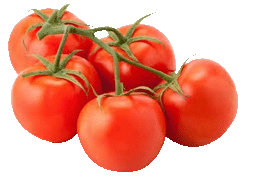
Wine Profile
-
Style: Crisp white-style vegetable wine
-
Colour: Pale straw to light gold
-
Body: Light to medium
-
Sweetness: Dry to off-dry
-
Acidity: Medium
-
Alcohol: 11–12.5% ABV
-
Yield: Approximately 1 UK gallon (4.5 L), around 6 × 750 ml bottles
-
Difficulty: Beginner to Intermediate
Harvest Calendar
-
Harvest Season: July – October (UK)
-
Best Picking Time: Fully ripe, soft, intensely flavoured tomatoes
-
Suitable for Freezing: Yes
-
Best Source: Greenhouses, allotments, home gardens and local growers
Best Varieties
Any ripe tomato can be used, but the best wines are made from richly flavoured varieties.
Recommended varieties include:
Avoid underripe green tomatoes, as they can produce harsh flavours.
Ingredients
-
6.0–7.0 lb (2.7–3.2 kg) ripe tomatoes
-
2.0–2.25 lb (900 g–1.0 kg) white sugar
-
Water (to make up to 1 UK gallon (4.5 L) total volume)
-
Juice of 1 lemon (or 1 tsp acid blend, only if required after tasting)
-
1 tsp yeast nutrient
-
½ tsp pectic enzyme
-
1 Campden tablet (recommended)
-
Wine yeast (half packet recommended):
Optional Ingredients
-
150 g raisins (for additional body)
-
Zest of ½ unwaxed lemon
-
Small piece of fresh ginger
-
½ tsp wine tannin (optional)
-
1 tsp glycerine after fermentation
Preparation
-
Wash the tomatoes thoroughly.
-
Remove stalks and any damaged areas.
-
Score a small cross in the base of each tomato.
-
Blanch in boiling water for 30–60 seconds, then plunge into cold water.
-
Peel off the skins.
-
Chop the tomatoes into small pieces and lightly crush them.
-
Place the tomatoes into a sanitised fermentation bag inside the fermentation bucket.
Removing the skins helps produce a cleaner, brighter wine and reduces bitterness.
Making the Must
-
Dissolve the sugar in approximately 2 litres of boiling water.
-
Pour the hot sugar solution over the tomatoes.
-
Add cool water to reach 1 UK gallon (4.5 L).
-
Allow the must to cool below 25°C (77°F).
-
Add:
-
Pectic enzyme
-
Yeast nutrient
-
Crushed Campden tablet
- Cover and leave for 24 hours.
- Add the yeast and stir thoroughly.
Primary Fermentation
-
Ferment with the tomatoes for 5–7 days.
-
Stir once or twice daily.
-
Keep the fruit bag submerged.
-
Maintain a temperature of 18–22°C.
The must may have a noticeable tomato aroma at first, but this fades rapidly during fermentation.
Transfer to Secondary
-
Lift the fermentation bag and allow it to drain naturally.
-
Do not squeeze excessively.
-
Siphon into a sterilised demijohn.
-
Fit an airlock.
-
Top up if necessary.
Secondary Fermentation
Allow fermentation to continue for approximately 3–5 weeks.
Rack whenever sediment reaches around 1–2 cm.
Clearing & Aging
Once fermentation has finished:
Tomato wine is enjoyable relatively young:
Expected Results
Tips for Better Tomato Wine
-
Use only fully ripe tomatoes with excellent flavour.
-
Remove the skins for the cleanest wine.
-
QA23 yeast produces a particularly crisp, aromatic result.
-
Taste the must before adding extra acid—ripe tomatoes already contain natural acidity.
-
Raisins improve body without making the wine taste fruity.
-
Avoid overripe or mouldy fruit.
Common Mistakes to Avoid
-
Using underripe tomatoes.
-
Leaving the skins on.
-
Adding too much acid.
-
Squeezing the fruit bag aggressively.
-
Bottling before the wine has fully cleared.
About Tomato Wine
Tomato wine has been produced by home winemakers for well over a century and has earned a reputation as one of the most unexpectedly refined vegetable wines. Although tomatoes are botanically fruits, they are almost always treated as vegetables in cooking and country winemaking.
Their natural acidity, balanced mineral content and relatively low tannin produce a clean, refreshing wine with remarkable elegance. Once fermented and matured, the characteristic tomato flavour almost completely disappears, leaving a wine that many tasters mistake for a dry white grape wine.
Serving Suggestions
-
Serve well chilled (8–10°C)
-
Excellent with grilled fish and seafood
-
Pairs beautifully with chicken and light pasta dishes
-
Complements goat's cheese and feta
-
Excellent with Mediterranean cuisine and salads
Storage & Aging
-
Improves for up to 2 years
-
Store in a cool, dark place
-
Best drinking window: 6–24 months
-
Intended to be enjoyed while fresh and lively
Frequently Asked Questions
Does tomato wine taste like tomatoes?
No. The fresh tomato flavour fades during fermentation, leaving a crisp, lightly fruity wine with bright acidity.
Should I remove the skins?
Yes. Blanching and peeling the tomatoes produces a cleaner flavour and helps reduce bitterness.
Can I use cherry tomatoes?
Absolutely. Cherry tomatoes often have higher natural sugar levels and intense flavour, producing excellent wine.
Do I need to add lemon juice?
Not always. Ripe tomatoes already contain natural acids, so taste the must before deciding whether additional acid is needed.
Why is tomato wine so popular with experienced homebrewers?
Because it produces a surprisingly refined, food-friendly wine that bears little resemblance to its original ingredient and is excellent served chilled.
|