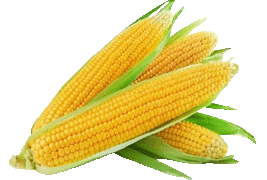
Wine Profile
-
Style: Medium-bodied white-style vegetable wine
-
Colour: Pale gold to rich golden straw
-
Body: Medium
-
Sweetness: Dry to off-dry
-
Acidity: Low
-
Alcohol: 11–12.5% ABV
-
Yield: Approximately 1 UK gallon (4.5 L), around 6 × 750 ml bottles
-
Difficulty: Beginner to Intermediate
Harvest Calendar
-
Harvest Season: August – September (UK)
-
Best Picking Time: Freshly picked sweetcorn at the milk stage
-
Suitable for Freezing: Excellent
-
Best Source: Home gardens, allotments, farm shops and greengrocers
Best Varieties
Any sweetcorn variety can be used, although the sweeter varieties generally produce the finest wine.
Recommended varieties include:
Fresh cobs are preferable to tinned sweetcorn. Frozen kernels are an excellent alternative outside the growing season.
Ingredients
-
10–12 large sweetcorn cobs (or approximately 2.5–3.0 lb / 1.1–1.4 kg kernels)
-
2.0–2.25 lb (900 g–1.0 kg) white sugar
-
Water (to make up to 1 UK gallon (4.5 L) total volume)
-
Juice of 2 lemons (or 2 tsp acid blend)
-
1 tsp yeast nutrient
-
½ tsp pectic enzyme (optional but helpful)
-
1 Campden tablet (optional)
-
Wine yeast (half packet recommended):
Optional Ingredients
Preparation
-
Remove the husks and silk from the cobs.
-
Slice the kernels from each cob using a sharp knife.
-
Rinse the kernels briefly.
-
Place them into a large saucepan and cover with water.
-
Simmer gently for 25–30 minutes.
Avoid vigorous boiling, which can create cloudy flavours.
Retain all of the cooking liquor.
Making the Must
-
Transfer the cooked kernels and cooking liquor into a sanitised fermentation bucket.
-
Dissolve the sugar into the hot liquid.
-
Add the lemon juice (or acid blend).
-
Top up with cool water to reach 1 UK gallon (4.5 L).
-
Allow the must to cool below 25°C (77°F).
-
Add:
- Cover and leave for 24 hours if Campden was added.
- Add the yeast and stir thoroughly.
Primary Fermentation
-
Ferment with the sweetcorn kernels for 5–6 days.
-
Stir once daily.
-
Keep the kernels submerged.
-
Maintain a fermentation temperature of 18–22°C.
The must develops a pleasant sweet cereal aroma during fermentation.
Transfer to Secondary
-
Strain out the kernels.
-
Allow them to drain naturally.
-
Siphon into a sterilised demijohn.
-
Fit an airlock.
-
Top up if necessary.
Secondary Fermentation
Allow fermentation to continue for approximately 4–5 weeks.
Rack whenever sediment reaches around 1–2 cm.
Clearing & Aging
Once fermentation has finished:
Sweetcorn wine benefits from moderate aging.
-
Minimum aging: 6 months
-
Ideal aging: 9–15 months
-
Peak drinking: 1–3 years
Expected Results
Tips for Better Sweetcorn Wine
-
Use freshly picked sweetcorn whenever possible.
-
Frozen kernels are preferable to tinned sweetcorn.
-
Keep the cooking liquor—it contains much of the flavour.
-
Acid blend is essential because sweetcorn is naturally low in acidity.
-
D47 yeast creates exceptional body and smoothness.
-
A small amount of vanilla can complement the naturally creamy character.
Common Mistakes to Avoid
-
Using tinned sweetcorn containing salt or preservatives.
-
Boiling the kernels vigorously.
-
Forgetting the acid addition.
-
Overusing vanilla.
-
Bottling before the wine has fully cleared.
About Sweetcorn Wine
Sweetcorn wine is less common than many traditional British country wines but has appeared in home winemaking literature for many years. The naturally sweet kernels contribute body and a gentle creamy texture rather than a strong corn flavour, resulting in a surprisingly refined white-style wine.
Properly matured, sweetcorn wine develops subtle notes of honey, cereal, butter and vanilla that make it unlike any other vegetable wine. Its smooth mouthfeel and balanced character have earned it a loyal following among adventurous home winemakers.
Serving Suggestions
-
Serve lightly chilled (10–12°C)
-
Excellent with roast chicken, turkey and pork
-
Pairs beautifully with creamy pasta dishes
-
Complements mature Cheddar and Gruyère
-
Delicious with sweetcorn fritters, risotto and mild curries
Storage & Aging
-
Improves for up to 3 years
-
Store in a cool, dark place
-
Best drinking window: 1–3 years
-
Gains smoothness throughout the first year in bottle
Frequently Asked Questions
Does sweetcorn wine taste like sweetcorn?
No. The finished wine develops gentle honeyed, cereal and buttery notes rather than a pronounced sweetcorn flavour.
Can I use frozen sweetcorn?
Yes. Frozen kernels are an excellent choice and often produce results almost identical to fresh sweetcorn.
Can I use tinned sweetcorn?
It is not recommended. Many tinned products contain salt, sugar or preservatives that can affect fermentation and flavour.
Why is acid blend important?
Sweetcorn is naturally very low in acidity. Adding lemon juice or acid blend creates a fresher, more balanced wine with better ageing potential.
How long should I age sweetcorn wine?
At least six months, although it is usually at its best after 9–15 months
|