Wine Profile
-
Style: White-style vegetable wine
-
Colour: Pale gold to deep golden amber
-
Body: Medium
-
Sweetness: Dry to off-dry
-
Acidity: Low
-
Alcohol: 11–12.5% ABV
-
Yield: Approximately 1 UK gallon (4.5 L), around 6 × 750 ml bottles
-
Difficulty: Beginner
Harvest Calendar
-
Harvest Season: September – November (UK)
-
Best Picking Time: Fully mature pumpkins with firm flesh
-
Suitable for Freezing: Yes
-
Best Source: Home gardens, allotments, farm shops and local greengrocers
Best Varieties
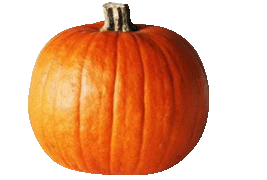
The best pumpkins for winemaking have dense, sweet flesh rather than watery interiors.
Recommended varieties include:
-
Jack of All Trades
-
Crown Prince
-
Uchiki Kuri (Red Kuri)
-
Queensland Blue
-
Sugar Pie Pumpkin
Cooking pumpkins generally produce better wine than very large carving pumpkins, which tend to contain more water and less flavour.
Ingredients
-
5.5–6.5 lb (2.5–3.0 kg) prepared pumpkin flesh
-
2.0–2.25 lb (900 g–1.0 kg) white sugar
-
Water (to make up to 1 UK gallon (4.5 L) total volume)
-
Juice of 2 lemons (or 2 tsp acid blend)
-
1 tsp yeast nutrient
-
½ tsp pectic enzyme
-
1 Campden tablet (optional)
-
Wine yeast (half packet recommended):
-
Lalvin D47 (excellent body and mouthfeel)
-
Lalvin 71B (enhances delicate fruit notes)
-
EC-1118 (clean and reliable)
Optional Ingredients
-
150 g raisins (traditional addition for body)
-
Small piece of fresh ginger
-
Half a vanilla pod
-
½ tsp wine tannin
-
1 tsp glycerine after fermentation
Optional Autumn Spice Version
For a lightly spiced autumn wine, add during primary fermentation:
Use spices with restraint—the pumpkin should remain the star of the wine.
Preparation
-
Wash the pumpkin thoroughly.
-
Remove the skin, seeds and stringy centre.
-
Cut the flesh into small cubes.
-
Steam or simmer gently for 25–35 minutes until just tender.
Steaming is often preferred because it preserves more flavour and prevents the flesh becoming overly waterlogged.
Reserve any cooking liquid.
Making the Must
-
Transfer the cooked pumpkin and cooking liquor into a sanitised fermentation bucket.
-
Dissolve the sugar into the hot liquid.
-
Add the lemon juice (or acid blend).
-
Top up with cool water to reach 1 UK gallon (4.5 L).
-
Allow the must to cool below 25°C (77°F).
-
Add:
- Cover and leave for 24 hours if Campden was added.
- Add the yeast and stir thoroughly.
Primary Fermentation
-
Ferment with the pumpkin pieces for 5–7 days.
-
Stir once daily.
-
Keep the pumpkin submerged beneath the liquid.
-
Maintain a temperature of 18–22°C.
Pumpkin ferments gently and develops a pleasant sweet aroma.
Transfer to Secondary
-
Strain out the pumpkin pieces.
-
Allow them to drain naturally.
-
Siphon into a sterilised demijohn.
-
Fit an airlock.
-
Top up if required.
Secondary Fermentation
Allow fermentation to continue for approximately 4–6 weeks.
Rack whenever sediment reaches around 1–2 cm.
Clearing & Aging
Once fermentation has finished:
Pumpkin wine develops well with moderate aging:
-
Minimum aging: 6 months
-
Ideal aging: 9–15 months
-
Peak drinking: 1–3 years
Expected Results
Tips for Better Pumpkin Wine
-
Choose dense cooking pumpkins rather than carving varieties.
-
Steaming often gives a cleaner flavour than boiling.
-
Lemon juice or acid blend is essential to balance the naturally low acidity.
-
Raisins improve body without masking the pumpkin.
-
D47 yeast produces a particularly rich mouthfeel.
-
Resist over-spicing if making the autumn version.
Common Mistakes to Avoid
-
Using watery carving pumpkins.
-
Overcooking the pumpkin until it becomes mushy.
-
Forgetting the acid addition.
-
Using too many spices.
-
Bottling before the wine has cleared fully.
About Pumpkin Wine
Pumpkins and winter squash have been used in home winemaking for generations, particularly in areas where autumn harvests produced an abundance of surplus vegetables. Although pumpkin itself has a delicate flavour, it contributes excellent body and a smooth texture, making it an ideal base for a refined country wine.
Modern pumpkin wine is sometimes associated with heavily spiced seasonal drinks, but traditional recipes focus on producing a balanced wine where the pumpkin's natural sweetness and subtle earthiness are allowed to shine.
Serving Suggestions
-
Serve lightly chilled (10–12°C)
-
Excellent with roast poultry and pork
-
Pairs well with mature Cheddar and Wensleydale
-
Complements roasted squash dishes and creamy soups
-
Delicious with apple pie and bread-and-butter pudding
Storage & Aging
-
Improves for up to 3 years
-
Store in a cool, dark place
-
Best drinking window: 1–3 years
-
Benefits from at least six months of bottle age
Frequently Asked Questions
Does pumpkin wine taste like pumpkin?
Not strongly. The finished wine is delicate, with subtle honeyed and fruity notes rather than an obvious pumpkin flavour.
Can I use Halloween carving pumpkins?
Yes, but cooking pumpkins generally produce a fuller-bodied, more flavourful wine because they contain denser flesh and less water.
Should I roast the pumpkin instead of steaming it?
Roasting creates a richer, caramelised flavour and is an excellent variation, though steaming or gentle simmering produces a lighter, more traditional country wine.
Can I make a spiced pumpkin wine?
Yes. A small amount of cinnamon, clove and nutmeg can add complexity, but use them sparingly to avoid overwhelming the wine.
How long should pumpkin wine be aged?
It is usually at its best after 9–15 months but remains enjoyable for up to 3 years.
|