Wine Profile
-
Style: Dry white-style vegetable wine
-
Colour: Pale straw to light gold
-
Body: Light to medium
-
Sweetness: Dry to off-dry
-
Acidity: Low
-
Alcohol: 11–12.5% ABV
-
Yield: Approximately 1 UK gallon (4.5 L), around 6 × 750 ml bottles
-
Difficulty: Intermediate
Harvest Calendar
-
Harvest Season: July – October (UK)
-
Best Picking Time: Freshly harvested, firm potatoes
-
Suitable for Storage: Yes – stores well in a cool, dark place
-
Suitable for Freezing: No
-
Best Source: Home gardens, allotments, farm shops and greengrocers
Best Varieties
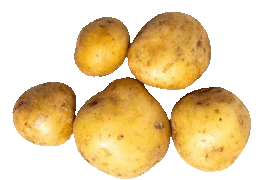
Floury potatoes generally produce the best wine because they contain more starch.
Recommended varieties include:
-
King Edward
-
Maris Piper
-
Desiree
-
Rooster
-
Romano
Avoid waxy salad potatoes, as they contribute less body.
Ingredients
-
5.5–6.5 lb (2.5–3.0 kg) potatoes
-
2.25–2.5 lb (1.0–1.1 kg) white sugar
-
Water (to make up to 1 UK gallon (4.5 L) total volume)
-
Juice of 2 lemons (or 2 tsp acid blend)
-
1 tsp yeast nutrient
-
½ tsp pectic enzyme (optional, but can aid clarification if other ingredients are used)
-
1 Campden tablet (optional)
-
Wine yeast (half packet recommended):
-
Lalvin D47 (excellent body and smoothness)
-
EC-1118 (traditional choice for clean fermentation)
-
Lalvin QA23 (excellent for crisp white-style wines)
Optional Ingredients
-
150 g raisins (traditional addition for body)
-
Zest of 1 unwaxed lemon
-
Small piece of fresh ginger
-
½ tsp wine tannin
-
1 tsp glycerine after fermentation
Preparation
-
Wash the potatoes thoroughly.
-
Peel them, removing any eyes, green patches or damaged areas.
-
Cut into small cubes.
-
Simmer gently for 35–45 minutes until completely tender.
Do not allow the potatoes to burn or stick to the pan.
Retain all of the cooking liquor, as it contains valuable starches and flavour compounds.
Making the Must
-
Transfer the cooked potatoes and cooking liquor into a sanitised fermentation bucket.
-
Dissolve the sugar into the hot liquid.
-
Add the lemon juice (or acid blend).
-
Top up with cool water to reach 1 UK gallon (4.5 L).
-
Allow the must to cool below 25°C (77°F).
-
Add:
- Cover and leave for 24 hours if Campden was added.
- Add the yeast and stir thoroughly.
Primary Fermentation
-
Ferment with the potato pieces for 4–6 days.
-
Stir once daily.
-
Keep the potato pieces submerged.
-
Maintain a temperature of 18–22°C.
The fermentation is usually steady but less vigorous than many fruit wines.
Transfer to Secondary
-
Strain out the potato pieces.
-
Allow them to drain naturally.
-
Siphon the wine into a sterilised demijohn.
-
Fit an airlock.
-
Top up if required with cooled boiled water.
Secondary Fermentation
Allow fermentation to continue for approximately 4–6 weeks.
Rack whenever sediment reaches around 1–2 cm.
Clearing & Aging
Once fermentation has finished:
Potato wine benefits from moderate bottle aging:
-
Minimum aging: 6 months
-
Ideal aging: 9–18 months
-
Peak drinking: 1–3 years
Expected Results
Tips for Better Potato Wine
-
Use floury potatoes rather than waxy varieties.
-
Always remove any green areas, as they contain solanine and should not be consumed.
-
Keep the cooking liquor—it provides body and fermentable material.
-
Lemon juice or acid blend is essential because potatoes are naturally low in acidity.
-
Raisins provide additional body without noticeably altering the flavour.
-
QA23 yeast creates a particularly crisp, white wine-like finish.
Common Mistakes to Avoid
-
Using green or sprouting potatoes.
-
Choosing waxy salad potatoes.
-
Discarding the cooking liquor.
-
Forgetting the acid addition.
-
Bottling before the wine has fully cleared.
About Potato Wine
Potato wine has a long history in Britain and Ireland, particularly during periods when grapes and imported fruit were scarce. Resourceful homebrewers discovered that potatoes could provide the foundation for a clean, well-balanced country wine when combined with sugar, citrus and yeast.
Despite its humble origins, potato wine has earned a reputation for being one of the cleanest vegetable wines, with a delicate flavour that improves steadily during bottle aging. It also serves as an excellent base for herbal or floral variations.
Serving Suggestions
-
Serve well chilled (8–10°C)
-
Excellent with grilled fish, chicken and seafood
-
Pairs well with soft cheeses and light salads
-
Complements creamy pasta dishes
-
Makes an excellent summer aperitif
Storage & Aging
-
Improves for up to 3 years
-
Store in a cool, dark place
-
Best drinking window: 1–3 years
-
Drink while still fresh and bright
Frequently Asked Questions
Does potato wine taste like potatoes?
No. Once fermented and matured, very little potato flavour remains. The finished wine is clean, light and surprisingly similar to a dry white table wine.
Can I leave the skins on?
No. Peel the potatoes and remove any eyes or green areas, which contain naturally occurring solanine.
Why use floury potatoes?
Floury varieties contain more starch, producing better body and a smoother finished wine.
Can I flavour potato wine?
Yes. Potato wine makes an excellent base for herbs, flowers and citrus, and has traditionally been infused with ingredients such as elderflower, ginger or lemon peel.
Why does my wine look cloudy?
Potato wines can take longer to clear because of residual starch. Patience, careful racking and, if necessary, a suitable fining agent will usually produce a brilliantly clear wine.
|