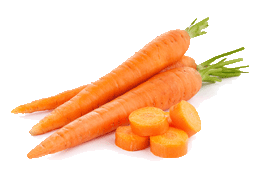
Wine Profile
-
Style: White-style vegetable wine
-
Colour: Pale gold to rich golden amber
-
Body: Medium
-
Sweetness: Dry to off-dry
-
Acidity: Low
-
Alcohol: 11.5–13% ABV
-
Yield: Approximately 1 UK gallon (4.5 L), around 6 × 750 ml bottles
-
Difficulty: Beginner
Harvest Calendar
-
Harvest Season: June – November (UK)
-
Best Picking Time: Fresh, young to medium-sized carrots
-
Suitable for Freezing: Yes (after chopping)
-
Best Source: Home gardens, allotments, greengrocers and farm shops
Best Varieties
Almost any sweet orange carrot is suitable, but particularly good choices include:
-
Autumn King
-
Nantes
-
Chantenay
-
Amsterdam Forcing
-
Flyaway F1
Avoid old, woody carrots with thick cores, as they contribute less sweetness and can introduce earthy flavours.
Ingredients
-
4.5–5.5 lb (2.0–2.5 kg) carrots
-
2.0–2.5 lb (900 g–1.1 kg) white sugar
-
Water (to make up to 1 UK gallon (4.5 L) total volume)
-
Juice of 2 lemons (or 2 tsp acid blend)
-
1 tsp yeast nutrient
-
1 Campden tablet (optional, as the carrots will be cooked)
-
Wine yeast (half packet recommended):
-
Lalvin D47 (excellent body and mouthfeel)
-
Lalvin 71B (enhances fruity aromas)
-
EC-1118 (reliable, neutral fermentation)
Optional Ingredients
-
Zest of 1 unwaxed lemon (avoid the white pith)
-
Small piece of fresh ginger
-
½ tsp wine tannin
-
1 tsp glycerine after fermentation
-
A handful of raisins (around 150 g) for additional body (optional but traditional)
Preparation
-
Wash the carrots thoroughly.
-
Peel if the skins are thick or damaged (young carrots can simply be scrubbed clean).
-
Slice into thin rounds or small cubes.
-
Place the carrots into a large saucepan and cover with water.
-
Simmer gently for 30–40 minutes, until tender but not falling apart.
Do not boil vigorously, as excessive boiling can reduce the delicate flavour.
Reserve the cooking liquor, as it contains valuable sugars, colour and flavour.
Making the Must
-
Pour the cooked carrots and cooking liquor into a sanitised fermentation bucket.
-
Dissolve the sugar into the hot liquid.
-
Add the lemon juice (or acid blend).
-
Top up with cool water to reach 1 UK gallon (4.5 L).
-
Allow the must to cool below 25°C (77°F).
-
Add:
- Cover and leave for 24 hours if Campden was added.
- Add the yeast and stir thoroughly.
Primary Fermentation
-
Ferment with the carrot pieces for 5–7 days.
-
Stir once daily.
-
Keep the carrots submerged beneath the liquid.
-
Maintain a temperature of 18–22°C.
The fermentation is usually clean and steady with a pleasant citrus aroma.
Transfer to Secondary
-
Strain out the carrot pieces.
-
Allow them to drain naturally.
-
Siphon the wine into a sterilised demijohn.
-
Fit an airlock.
-
Top up with cooled boiled water if necessary.
Secondary Fermentation
Allow fermentation to complete over approximately 4–6 weeks.
Rack whenever sediment reaches about 1–2 cm.
Clearing & Aging
After fermentation has finished:
Carrot wine improves steadily with age:
-
Minimum aging: 6 months
-
Ideal aging: 9–18 months
-
Peak drinking: 1–3 years
Expected Results
Tips for Better Carrot Wine
-
Use fresh, sweet carrots rather than large storage carrots.
-
Keep the cooking liquor—it provides much of the wine's flavour.
-
Lemon juice is essential for balancing the naturally low acidity.
-
Raisins add body but should not dominate the wine.
-
D47 yeast produces an exceptionally smooth finish.
-
Allow at least six months before judging the final flavour.
Common Mistakes to Avoid
-
Using old woody carrots.
-
Boiling the carrots too vigorously.
-
Forgetting to add acid.
-
Discarding the cooking liquor.
-
Bottling before the wine has fully cleared.
About Carrot Wine
Carrot wine has been a favourite of British home winemakers since at least the nineteenth century. During periods when grapes were expensive or unavailable, carrots provided an inexpensive and reliable source of fermentable sugars and body.
Despite its unusual ingredient, carrot wine is renowned for producing one of the most refined vegetable wines. Well-made examples develop subtle notes of honey, apricot, citrus and dried fruit, with virtually no obvious carrot flavour.
It remains one of the most highly regarded traditional country wines in the UK.
Serving Suggestions
-
Serve lightly chilled (10–12°C)
-
Excellent with roast chicken, pork and turkey
-
Pairs beautifully with creamy cheeses
-
Complements lightly spiced dishes and seafood
-
Excellent as an aperitif
Storage & Aging
-
Improves for up to 3 years
-
Store in a cool, dark place
-
Best drinking window: 1–3 years
-
Develops increasing complexity during its first two years
Frequently Asked Questions
Does carrot wine taste like carrots?
No. Most of the vegetable character disappears during fermentation and aging, leaving a delicate, lightly fruity white-style wine.
Should I peel the carrots?
Young carrots can simply be scrubbed clean, but older carrots are best peeled to remove tougher skins and any bitterness.
Can I use frozen carrots?
Yes. Frozen carrots work well once thawed and cooked.
Why do traditional recipes add raisins?
Raisins increase body and improve mouthfeel without overpowering the delicate carrot flavour.
Why is lemon juice important?
Carrots are naturally low in acidity. Adding lemon juice or acid blend produces a brighter, more balanced wine with improved ageing potential
|