Wine Profile
-
Style: Aromatic woodland herb wine
-
Colour: Pale straw with a faint green-gold tint
-
Body: Light
-
Sweetness: Dry to off-dry
-
Acidity: Medium
-
Alcohol: 11–12% ABV
-
Yield: Approximately 1 UK gallon (4.5 L), around 6 × 750 ml bottles
-
Difficulty: Intermediate (due to correct tree identification)
Herb Character
-
Dominant Flavours: Lemon, grapefruit, pine, fresh herbs, woodland
-
Aroma Strength: Medium
-
Recommended Brewing Strength: Light
-
Best Drinking Age: Young (6–24 months)
Harvest Calendar
-
Harvest Season: April – June (UK)
-
Best Picking Time: Fresh, light green spring growth ("candles") just after they open
-
Suitable for Fresh Use: ✔ Yes
-
Suitable for Drying: ✖ No
-
Suitable for Freezing: ✔ Yes
-
Best Source: Unsprayed woodland, forestry plantations and private land with permission
Identification & Safety
Correct identification
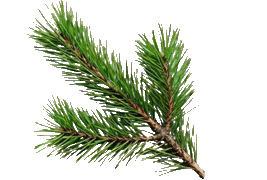
Use only true pine species (Pinus spp.).
Suitable UK species include:
-
Scots Pine (Pinus sylvestris) ★ Highly recommended
-
Corsican Pine (Pinus nigra)
-
Eastern White Pine (Pinus strobus)
Characteristics include:
Never use
Avoid:
If you are not absolutely certain of identification, do not harvest.
Which parts should be used?
✔ Soft, young spring needles only.
Avoid older, darker needles where possible.
Best Needles to Use
Choose needles that are:
-
Bright green
-
Soft and flexible
-
Fresh spring growth
-
Strongly citrus-scented
-
Free from disease
Avoid brown, damaged or old needles.
Ingredients
-
Approximately 300–350 g fresh young pine needles
-
2.0–2.25 lb (900 g–1.0 kg) white sugar
-
Water (to make up to 1 UK gallon (4.5 L))
-
Juice of 1 lemon
-
Juice of 1 orange
-
Finely pared zest of 1 lemon
-
Finely pared zest of 1 orange
-
1 tsp yeast nutrient
-
1 Campden tablet (optional)
-
Wine yeast (half packet recommended):
Optional Ingredients
Preparation
-
Harvest only young spring needles.
-
Rinse thoroughly in cool water.
-
Remove any pieces of bark, cones or twigs.
-
Chop the needles into short lengths (2–3 cm).
This increases the extraction of aromatic oils.
Making the Woodland Infusion
-
Place the chopped needles into a large saucepan.
-
Pour over approximately 3 litres of boiling water.
-
Cover and allow to steep for 30–40 minutes.
Do not boil vigorously, as excessive heat drives off the delicate citrus aromas.
-
Strain the infusion through a fine sieve or muslin.
Discard the spent needles.
Making the Must
-
Pour the hot pine infusion into a sanitised fermentation bucket.
-
Dissolve the sugar into the infusion.
-
Add the citrus juice and zest.
-
Top up with cool water to reach 1 UK gallon (4.5 L).
-
Allow to cool below 25°C (77°F).
-
Add:
- Cover and leave for 24 hours if using Campden.
- Add the yeast and stir thoroughly.
Primary Fermentation
-
Ferment for 5–7 days.
-
Stir gently once daily.
-
Maintain 18–22°C.
The fresh woodland aroma becomes noticeably softer and fruitier during fermentation.
Transfer to Secondary
-
Siphon into a sterilised demijohn.
-
Fit an airlock.
-
Top up if necessary.
Secondary Fermentation
Allow fermentation to continue for approximately 3–5 weeks.
Rack whenever sediment reaches around 1–2 cm.
Clearing & Aging
Once fermentation has finished:
Pine needle wine is intended to retain its fresh woodland character.
-
Minimum aging: 6 months
-
Ideal aging: 9–15 months
-
Peak drinking: 1–3 years
Expected Results
Tips for Better Pine Needle Wine
-
Harvest only soft spring growth.
-
Scots Pine produces one of the finest wines.
-
Cover the infusion while steeping.
-
QA23 yeast preserves the citrus aromas particularly well.
-
Avoid making the infusion too strong.
-
Bottle while the wine still retains its youthful freshness.
Common Mistakes to Avoid
-
Misidentifying the tree species.
-
Using mature needles.
-
Boiling vigorously.
-
Collecting from polluted roadsides.
-
Drinking immediately after fermentation.
About Pine Needle Wine
Pine needle wine has been made for generations in northern Europe, where fresh spring pine needles were valued for both their refreshing flavour and their naturally high vitamin C content. Country winemakers discovered that the delicate citrus oils within the young needles could be captured in a carefully prepared infusion, producing a remarkably elegant wine.
Although many expect a strong resinous flavour, the finished wine is surprisingly refined. Gentle notes of lemon zest, grapefruit and fresh woodland herbs dominate, while the resinous character remains subtle and well balanced. This makes pine needle wine one of the most distinctive and memorable recipes in the Herbs & Leaves Collection.
Serving Suggestions
-
Serve well chilled (8–10°C)
-
Excellent with smoked salmon and trout
-
Pairs beautifully with goat's cheese and soft cheeses
-
Complements grilled chicken and game birds
-
Delicious with citrus desserts or fresh berries
Storage & Aging
-
Best consumed within 3 years
-
Store in a cool, dark place
-
Best drinking window: 9 months–3 years
-
Designed to be enjoyed while the woodland aromas remain vibrant
Frequently Asked Questions
Does pine needle wine taste like pine resin?
No. It develops delicate citrus, grapefruit and woodland notes with only a subtle hint of pine.
Which pine is best?
Scots Pine (Pinus sylvestris) is generally regarded as the finest choice for UK home winemakers.
Can I use dried needles?
No. Fresh spring needles are strongly recommended because drying removes many of the volatile aromatic compounds.
Why is tree identification so important?
Only true pine species should be used. Some evergreen trees, particularly yew (Taxus baccata), are highly poisonous and must never be used for winemaking.
Can I freeze the needles?
Yes. Freshly harvested spring needles freeze well and retain much of their aroma.
|