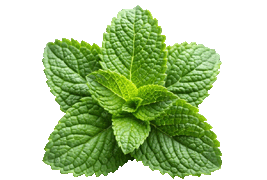
Wine Profile
-
Style: Aromatic herb wine
-
Colour: Pale straw to light gold
-
Body: Light
-
Sweetness: Dry to off-dry
-
Acidity: Medium
-
Alcohol: 11–12% ABV
-
Yield: Approximately 1 UK gallon (4.5 L), around 6 × 750 ml bottles
-
Difficulty: Beginner
Herb Character
-
Dominant Flavours: Fresh mint, citrus, meadow flowers, gentle sweetness
-
Aroma Strength: Medium to Strong
-
Recommended Brewing Strength: Light to Medium
-
Best Drinking Age: Young (6–24 months)
Harvest Calendar
-
Harvest Season: May – September (UK)
-
Best Picking Time: Just before flowering, on a warm dry morning
-
Suitable for Fresh Use: ✔ Yes
-
Suitable for Drying: ✔ Yes
-
Suitable for Freezing: ✔ Yes
-
Best Source: Home gardens, herb gardens, allotments and unsprayed cultivated plants
Identification & Safety
Correct identification
The preferred species are:
-
Spearmint (Mentha spicata) ★ Highly recommended
-
Garden Mint (Mentha × villosa)
-
Apple Mint (Mentha suaveolens)
Characteristics include:
Similar species
Peppermint (Mentha × piperita) can be used, but its high menthol content often produces a much stronger and less balanced wine.
Which parts should be used?
✔ Young leaves and the soft growing tips.
These provide the cleanest flavour and the finest aroma.
Never use
Best Leaves to Use
Choose leaves that are:
The essential oils are generally at their best just before the plant flowers.
Ingredients
-
Approximately 200–250 g fresh mint leaves and tender tips (loosely packed, around 4 litres)
-
2.0–2.25 lb (900 g–1.0 kg) white sugar
-
Water (to make up to 1 UK gallon (4.5 L))
-
Juice of 2 lemons
-
Juice of 1 orange
-
Finely pared zest of 1 lemon
-
Finely pared zest of 1 orange
-
1 tsp yeast nutrient
-
1 Campden tablet (optional)
-
Wine yeast (half packet recommended):
Optional Ingredients
Preparation
-
Harvest the mint on a dry morning after the dew has evaporated.
-
Shake gently to remove insects.
-
Rinse briefly if necessary.
-
Remove any tough stems.
Handle the leaves gently to preserve their aromatic oils.
Making the Herbal Infusion
-
Place the mint into a large saucepan.
-
Pour over approximately 3 litres of boiling water.
-
Allow to steep for 20–30 minutes, rather than simmering vigorously.
A gentle infusion preserves the delicate essential oils far better than prolonged boiling.
-
Strain the infusion and discard the leaves.
Only the infusion is fermented.
Making the Must
-
Pour the hot mint infusion into a sanitised fermentation bucket.
-
Dissolve the sugar into the infusion.
-
Add the citrus juice and zest.
-
Top up with cool water to reach 1 UK gallon (4.5 L).
-
Allow to cool below 25°C (77°F).
-
Add:
- Cover and leave for 24 hours if Campden was added.
- Add the yeast and stir thoroughly.
Primary Fermentation
-
Ferment for 5–7 days.
-
Stir gently once daily.
-
Maintain 18–22°C.
The fresh mint aroma softens into a pleasant herbal bouquet during fermentation.
Transfer to Secondary
-
Siphon carefully into a sterilised demijohn.
-
Fit an airlock.
-
Top up if necessary.
Secondary Fermentation
Allow fermentation to continue for approximately 3–5 weeks.
Rack whenever sediment reaches around 1–2 cm.
Clearing & Aging
Once fermentation has finished:
Mint wine is best enjoyed while still youthful.
-
Minimum aging: 4 months
-
Ideal aging: 6–12 months
-
Peak drinking: 1–2 years
Expected Results
Tips for Better Mint Wine
-
Spearmint generally produces the finest and most balanced wine.
-
Steep rather than boil the leaves to preserve the delicate essential oils.
-
Harvest before flowering for the freshest flavour.
-
QA23 yeast helps retain the wine's aromatic character.
-
Bottle while the wine is still fresh and lively.
Common Mistakes to Avoid
-
Using too much peppermint.
-
Boiling the leaves vigorously.
-
Harvesting old woody stems.
-
Using flowering mint unless you want a stronger herbal profile.
-
Aging the wine for too many years.
About Mint Wine
Mint has been cultivated in Britain for centuries for culinary, medicinal and aromatic purposes. Traditional country winemakers soon discovered that its fragrant leaves could also produce a refreshing and elegant wine when infused gently and balanced with citrus.
Unlike peppermint, which can dominate the finished wine, spearmint produces a softer, sweeter character with delicate herbal freshness. The result is a wine that is surprisingly refined, offering cooling mint aromas supported by citrus and floral notes rather than an overwhelming menthol flavour.
Served well chilled, mint wine is one of the most refreshing wines in the Herbs & Leaves Collection and is particularly suited to warm summer evenings.
Serving Suggestions
-
Serve well chilled (8–10°C)
-
Excellent with grilled lamb, chicken and seafood
-
Pairs beautifully with Greek salads and feta cheese
-
Complements Middle Eastern and Mediterranean dishes
-
Wonderful with lemon tart, fresh berries or fruit salads
Storage & Aging
-
Best consumed within 2 years
-
Store in a cool, dark place
-
Best drinking window: 6–24 months
-
Intended to be enjoyed while the fresh herbal aromas remain vibrant
Frequently Asked Questions
Which mint makes the best wine?
Spearmint is generally regarded as the best choice because it produces a softer, sweeter and more balanced wine than peppermint.
Can I use peppermint?
Yes, but use it sparingly. Its high menthol content can easily overpower the finished wine.
Should I boil the mint?
No. A hot infusion or gentle steeping is preferred, as vigorous boiling drives off the delicate aromatic oils.
Can I dry or freeze mint?
Yes. Both methods work well, although freshly picked mint generally produces the brightest aroma.
How long should I age mint wine?
It is best enjoyed between 6 months and 2 years while the fresh mint aroma is still at its peak.
|