Wine Profile
-
Style: Aromatic herb wine
-
Colour: Pale straw to light gold
-
Body: Light
-
Sweetness: Dry to off-dry
-
Acidity: Medium
-
Alcohol: 11–12% ABV
-
Yield: Approximately 1 UK gallon (4.5 L), around 6 × 750 ml bottles
-
Difficulty: Beginner
Herb Character
-
Dominant Flavours: Lemon zest, honey, meadow flowers, gentle herbs
-
Aroma Strength: Strong
-
Recommended Brewing Strength: Light to Medium
-
Best Drinking Age: Young (6–24 months)
Harvest Calendar
-
Harvest Season: May – September (UK)
-
Best Picking Time: Just before flowering, on a warm dry morning
-
Suitable for Fresh Use: ✔ Yes
-
Suitable for Drying: ✔ Yes
-
Suitable for Freezing: ✔ Yes
-
Best Source: Home gardens, herb gardens, allotments and unsprayed cultivated plants
Identification & Safety
Correct identification
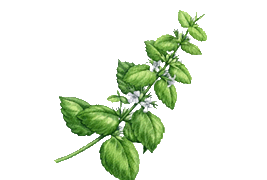
Use Lemon Balm (Melissa officinalis).
Characteristics include:
-
Soft, bright green, slightly crinkled leaves
-
Serrated leaf edges
-
Square stems
-
Opposite leaf pairs
-
Distinct lemon fragrance when crushed
Similar species
Young mint species can appear similar, but lemon balm has a softer leaf texture and a clear lemon aroma rather than a mint scent.
Which parts should be used?
✔ Young leaves and soft growing tips.
These contain the highest concentration of aromatic oils.
Never use
Best Leaves to Use
Choose leaves that are:
The aromatic oils are at their highest immediately before flowering.
Ingredients
-
Approximately 200–250 g fresh lemon balm leaves and tender tips (loosely packed, around 4 litres)
-
2.0–2.25 lb (900 g–1.0 kg) white sugar
-
Water (to make up to 1 UK gallon (4.5 L))
-
Juice of 2 lemons
-
Juice of 1 orange
-
Finely pared zest of 1 lemon
-
Finely pared zest of 1 orange
-
1 tsp yeast nutrient
-
1 Campden tablet (optional)
-
Wine yeast (half packet recommended):
Optional Ingredients
Preparation
-
Harvest the lemon balm on a dry morning after the dew has evaporated.
-
Shake gently to remove insects.
-
Rinse briefly if necessary.
-
Remove any tough stems.
Handle the leaves carefully to preserve the delicate essential oils.
Making the Herbal Infusion
-
Place the lemon balm into a large saucepan.
-
Pour over approximately 3 litres of boiling water.
-
Cover and allow to steep for 20–30 minutes.
Avoid boiling the leaves, as prolonged heat reduces the fresh lemon aroma.
-
Strain the infusion and discard the leaves.
Only the infusion is fermented.
Making the Must
-
Pour the hot lemon balm infusion into a sanitised fermentation bucket.
-
Dissolve the sugar into the infusion.
-
Add the citrus juice and zest.
-
Top up with cool water to reach 1 UK gallon (4.5 L).
-
Allow to cool below 25°C (77°F).
-
Add:
- Cover and leave for 24 hours if Campden was added.
- Add the yeast and stir thoroughly.
Primary Fermentation
-
Ferment for 5–7 days.
-
Stir gently once daily.
-
Maintain a fermentation temperature of 18–22°C.
The fermentation develops an attractive citrus and floral bouquet.
Transfer to Secondary
-
Siphon carefully into a sterilised demijohn.
-
Fit an airlock.
-
Top up if necessary.
Secondary Fermentation
Allow fermentation to continue for approximately 3–5 weeks.
Rack whenever sediment reaches around 1–2 cm.
Clearing & Aging
Once fermentation has finished:
Lemon balm wine is intended to be enjoyed while youthful and aromatic.
-
Minimum aging: 4 months
-
Ideal aging: 6–12 months
-
Peak drinking: 1–2 years
Expected Results
Tips for Better Lemon Balm Wine
-
Harvest just before flowering for maximum aroma.
-
Cover the infusion while steeping to retain the volatile essential oils.
-
QA23 yeast beautifully preserves the wine's citrus character.
-
Avoid prolonged boiling.
-
Bottle while the wine still has its fresh floral bouquet.
Common Mistakes to Avoid
-
Using old or flowering plants.
-
Boiling the leaves vigorously.
-
Leaving the infusion uncovered during steeping.
-
Using woody stems.
-
Aging for too many years.
About Lemon Balm Wine
Lemon balm has been cultivated in Britain since medieval times for both culinary and medicinal use. Its sweet lemon fragrance has made it a favourite herb in cottage gardens for centuries, and traditional home winemakers soon discovered that it also produced an exceptionally elegant wine.
Unlike wines flavoured with citrus peel alone, lemon balm wine derives its aroma from the herb's natural essential oils, creating a softer and more complex bouquet with notes of fresh lemon, meadow flowers and honey. When combined with citrus juice and fermented carefully, the result is one of the most refined herb wines in the traditional country winemaking repertoire.
Because its delicate aromas gradually fade with extended aging, lemon balm wine is best enjoyed within the first two years, while it still displays its vibrant freshness.
Serving Suggestions
-
Serve well chilled (8–10°C)
-
Excellent with grilled fish and seafood
-
Pairs beautifully with goat's cheese and feta
-
Complements summer salads, chicken dishes and Mediterranean cuisine
-
Wonderful with lemon tart, panna cotta or fresh berries
Storage & Aging
-
Best consumed within 2 years
-
Store in a cool, dark place
-
Best drinking window: 6–24 months
-
Designed to be enjoyed while the fresh citrus aroma remains vibrant
Frequently Asked Questions
Does lemon balm wine taste like lemons?
Not exactly. It has a softer, more floral lemon character with gentle honeyed notes rather than the sharp acidity of fresh lemons.
Can I use dried lemon balm?
Yes, but fresh leaves are strongly recommended. Drying reduces some of the volatile aromatic oils that give the wine its distinctive character.
Why should I cover the infusion while it steeps?
Covering the pan helps retain the delicate essential oils responsible for the herb's lemon fragrance.
Can I freeze lemon balm?
Yes. Freezing freshly harvested leaves is an excellent way to preserve their flavour for later winemaking.
How long should I age lemon balm wine?
It is at its best between 6 months and 2 years. Longer aging gradually softens the fresh citrus aromas
|