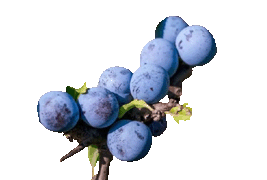
Sloe wine is made from the deep blue-black fruits of the blackthorn (Prunus spinosa). Naturally high in tannins and acidity, sloes produce a rich, ruby-red wine with flavours of dark plum, black cherry, almond, and subtle spice.
Young sloe wine is intensely dry and astringent, but after a year or more of bottle aging it develops into one of the finest traditional country wines, with a smooth, rounded character and excellent complexity.
|
Wine Profile
-
Style: Full-bodied hedgerow wine
-
Colour: Deep ruby to garnet
-
Body: Medium to full
-
Sweetness: Dry to medium
-
Acidity: Medium to high
-
Alcohol: 11.5–13% ABV
-
Yield: Approximately 1 UK gallon (4.5 L), around 6 × 750 ml bottles
-
Difficulty: Intermediate
Harvest Calendar
-
Harvest Season: September – November (UK)
-
Best Picking Time: After the first frost, or freeze the fruit before use
-
Suitable for Freezing: Yes (strongly recommended)
-
Best Source: Wild blackthorn hedgerows, field margins and woodland edges
Ingredients
-
5.0–6.0 lb (2.3–2.7 kg) sloes
-
2.25–2.5 lb (1.0–1.1 kg) white sugar
-
Water (to make up to 1 UK gallon / 4.5 L total volume)
-
1 tsp yeast nutrient
-
½ tsp pectic enzyme
-
1 Campden tablet (recommended for fresh fruit)
-
Wine yeast (half packet recommended):
-
Lalvin 71B (excellent for softening acidity and enhancing fruit)
-
Lalvin D47 (adds body and mouthfeel)
-
EC-1118 (reliable, clean fermentation)
Optional Ingredients
-
¼ tsp wine tannin (usually unnecessary due to the naturally high tannin content)
-
Small piece of orange peel (adds subtle citrus complexity)
-
1 cinnamon stick (optional warming spice)
-
1 tsp glycerine after fermentation (improves mouthfeel)
-
A handful of blackberries (optional, for a softer fruit profile)
Preparation
-
Harvest fully ripe, dark blue-black sloes.
-
Remove stalks, leaves and damaged fruit.
-
Freeze the fruit for at least 48 hours, or harvest after several hard frosts.
-
Thaw completely before use.
-
Lightly crush the berries without breaking the stones.
-
Place the fruit into a sanitised fermentation bag.
Freezing softens the fruit, improves juice extraction and reduces the intense astringency that fresh sloes are known for.
Making the Must
-
Dissolve the sugar in approximately 2.5 litres of boiling water.
-
Pour the hot sugar solution over the fruit.
-
Add cool water to reach 1 UK gallon (4.5 L total volume).
-
Allow the must to cool below 25°C (77°F).
-
Add:
- Cover and leave for 24 hours if Campden was added.
Primary Fermentation
-
Add the yeast and stir thoroughly.
-
Stir once or twice daily.
-
Keep the fruit cap submerged.
-
Ferment for 5–7 days at 18–22°C.
The must will quickly develop a deep ruby-red colour with rich aromas of dark berries and plum.
Transfer to Secondary
-
Lift the fermentation bag and allow it to drain naturally.
-
Avoid squeezing the fruit aggressively, as this can extract excessive tannins.
-
Siphon the wine into a sterilised demijohn.
-
Fit an airlock.
-
Top up with cooled boiled water if required.
Secondary Fermentation
Allow fermentation to complete over 4–6 weeks.
Rack whenever sediment reaches approximately 1–2 cm.
Clearing & Aging
Once fermentation has finished:
Sloe wine rewards patience more than almost any other country wine:
Expected Results
Tips for Better Sloe Wine
-
Freeze the fruit before use if it has not been frost-harvested.
-
Do not crack the stones, as they can release excessive bitter almond flavours.
-
Avoid adding extra tannin unless using unusually mild fruit.
-
71B yeast helps soften acidity and preserves the rich fruit character.
-
Young sloe wine can seem harsh—extended bottle aging transforms it.
-
A slight backsweetening after stabilisation can enhance the dark fruit flavours without making the wine taste sweet.
About Sloe Wine
Sloes are the fruit of the blackthorn, one of Britain's most widespread hedgerow shrubs. For centuries they have been used in traditional preserves, syrups, and the famous sloe gin, but they also produce one of the finest country wines.
The fruit's naturally high tannin and acidity create a wine with remarkable ageing potential. As the wine matures, the initial astringency softens, revealing rich flavours of plum, black cherry, dried fruits, and gentle spice.
Serving Suggestions
-
Serve slightly below room temperature (12–14°C)
-
Excellent with game, venison, roast lamb, and beef
-
Pairs beautifully with mature Cheddar, Stilton, and other blue cheeses
-
A superb winter wine for special occasions
Storage & Aging
-
Improves for up to 5 years
-
Store in a cool, dark place
-
Best drinking window: 2–5 years
-
Benefits enormously from extended bottle aging
Frequently Asked Questions
Do I need to wait for the first frost?
No. Freezing the fruit for at least 48 hours gives a similar effect, softening the berries and reducing astringency.
Should I remove the stones?
No. Leave the stones intact, but avoid crushing or cracking them, as this can introduce excessive bitter almond flavours.
Why is my young wine so dry and harsh?
This is perfectly normal. Sloe wine is famous for requiring extended aging before it reaches its full potential.
Can I blend sloes with other fruit?
Yes. Apples and blackberries are traditional blending partners that soften the wine while preserving its character.
Is sloe wine better than sloe gin?
They're very different drinks. Sloe wine showcases the fruit's complexity through fermentation, while sloe gin is a sweetened infused liqueur
|