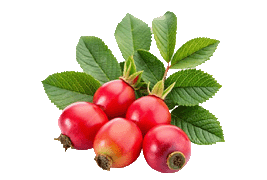
Wine Profile
-
Style: Light aromatic hedgerow wine
-
Colour: Pale gold to light amber
-
Body: Light
-
Sweetness: Dry to off-dry
-
Acidity: Medium to high
-
Alcohol: 11–12.5% ABV
-
Yield: Approximately 1 UK gallon (4.5 L), ~6 bottles
-
Difficulty: Intermediate to Advanced
Harvest Calendar
-
Harvest Season: October – February (best after first frost in UK)
-
Best Picking Time: Fully red/orange, slightly soft berries
-
Suitable for Freezing: Yes (essential for breakdown)
-
Best Source: Wild hedgerows, woodland edges
Ingredients
-
4.5–6.0 lb (2.0–2.7 kg) rosehips
-
2.0–2.5 lb (900 g–1.1 kg) white sugar
-
Water (to make up to 1 UK gallon / 4.5 L total volume)
-
1–1.5 tsp yeast nutrient (rosehips benefit from extra nutrient)
-
1 tsp pectic enzyme (important due to high pectin content)
-
1 Campden tablet (recommended for fresh fruit)
-
Wine yeast (half packet recommended):
Optional Ingredients
-
½ tsp wine tannin (rosehips already contain some tannin, so optional)
-
Juice of ½ lemon (sometimes helpful for brightness)
-
1 cinnamon stick (light spice note)
-
Small piece of ginger (adds warmth and depth)
-
1 tsp glycerine after fermentation (mouthfeel improvement)
Preparation
-
Remove stems and any remaining flower ends from rosehips.
-
Wash lightly if needed.
-
Crucially: remove seeds and hairs if possible (they can cause irritation and bitterness).
-
Chop or crush rosehips as finely as possible — they are very tough.
-
Freeze overnight to break down structure and improve extraction.
-
Place prepared fruit into a sanitised fermentation bag in the primary fermenter.
Rosehips are very fibrous, so the finer the preparation, the better the extraction.
Making the Must
-
Dissolve sugar in approximately 2.5 litres of boiling water.
-
Pour hot sugar solution over the fruit.
-
Add cool water to reach 1 UK gallon (4.5 L total volume).
-
Allow to cool below 25°C (77°F).
-
Add:
- Cover and leave for 24 hours if Campden was added.
Primary Fermentation
-
Add yeast and stir thoroughly.
-
Stir once or twice daily.
-
Keep fruit submerged gently.
-
Ferment for 5–7 days at 18–22°C.
Early aroma is often faint but becomes more noticeable as fermentation progresses.
Transfer to Secondary
-
Lift fermentation bag and allow to drain naturally — do not squeeze aggressively.
-
Siphon liquid into a sterilised demijohn.
-
Fit airlock.
-
Top up with cooled boiled water if required.
Secondary Fermentation
Allow fermentation to complete over 4–6 weeks.
Rack when sediment reaches 1–2 cm.
Clearing & Aging
Once fermentation has finished:
Rosehip wine benefits significantly from aging:
-
Minimum aging: 6 months
-
Ideal aging: 9–18 months
-
Peak drinking: 1–3 years
Expected Results
Tips for Better Rosehip Wine
-
Freezing is essential for good extraction.
-
Removing seeds and hairs improves smoothness and avoids bitterness.
-
Pectic enzyme is critical — rosehips are extremely high in pectin.
-
71B yeast helps soften the naturally sharp edge.
-
The wine is usually quite neutral when young — aging transforms it.
-
Slight backsweetening after aging can greatly improve balance.
About Rosehip Wine
Rosehips have long been used in traditional UK hedgerow winemaking, especially in times when imported citrus fruits were scarce. Their naturally high vitamin C content and tart, apple-citrus flavour made them a valuable seasonal ingredient.
Rosehip wine is often understated but can develop into a refined, lightly aromatic wine with subtle complexity and a clean finish.
Serving Suggestions
-
Serve lightly chilled (10–12°C)
-
Pairs well with poultry, light fish dishes, and creamy cheeses
-
Excellent as a light aperitif
-
Works well as a delicate autumn or winter wine
Storage & Aging
-
Improves for up to 3 years
-
Store in a cool, dark place
-
Best drinking window: 12–36 months
-
Gains smoothness and subtle complexity with age
Frequently Asked Questions
Why does rosehip wine taste so weak at first?
It is naturally subtle — it needs time to develop.
Do I really need to remove seeds?
Yes — they can cause bitterness and unpleasant texture.
Can I use dried rosehips?
Yes, but fresh or frozen gives better aroma.
Why is clarification slow?
High pectin content makes clearing slower — time and enzyme help.
Can I blend rosehips with other fruit?
Yes — apple and elderberry work particularly well.
|