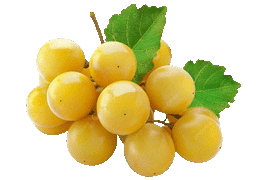
Wine Profile
-
Style: Light to medium fruit wine
-
Colour: Golden yellow to amber
-
Body: Light to medium
-
Sweetness: Dry to medium (often best slightly off-dry)
-
Acidity: Medium
-
Alcohol: 11–12.5% ABV
-
Yield: Approximately 1 UK gallon (4.5 L), ~6 bottles
-
Difficulty: Beginner to Intermediate
Harvest Calendar
-
Harvest Season: August – September (UK, where grown)
-
Best Picking Time: Fully golden-yellow, slightly soft fruit
-
Suitable for Freezing: Yes (excellent for extraction)
-
Best Source: Garden trees, orchards, specialty fruit growers
Ingredients
-
4.5–5.5 lb (2.0–2.5 kg) mirabelle plums
-
2.0–2.25 lb (900 g–1.0 kg) white sugar
-
Water (to make up to 1 UK gallon / 4.5 L total volume)
-
1 tsp yeast nutrient
-
½ tsp pectic enzyme
-
1 Campden tablet (recommended for fresh fruit)
-
Wine yeast (half packet recommended):
-
Lalvin 71B (best for enhancing fruitiness)
-
Lalvin D47 (adds roundness and body)
-
EC-1118 (very dry, neutral fermentation)
Optional Ingredients
-
½ tsp wine tannin (usually NOT required — fruit is low in tannin)
-
Juice of ½ lemon (only if fruit is very sweet and low acid)
-
1 cinnamon stick (light warming spice note)
-
Small piece of vanilla pod (enhances aroma)
-
1 tsp glycerine after fermentation (improves mouthfeel)
Preparation
-
Wash plums thoroughly and remove stems.
-
Remove any damaged or overripe fruit.
-
Stone the fruit if possible (recommended for best flavour clarity).
-
Lightly crush fruit to release juice.
-
Place into a sanitised fermentation bag in the primary fermenter.
-
Freezing fruit beforehand improves extraction significantly.
Mirabelles soften quickly and release juice easily compared to other plums.
Making the Must
-
Dissolve sugar in approximately 2.5 litres of boiling water.
-
Pour hot sugar solution over the fruit.
-
Add cool water to reach 1 UK gallon (4.5 L total volume).
-
Allow to cool below 25°C (77°F).
-
Add:
- Cover and leave for 24 hours if Campden was added.
Primary Fermentation
-
Add yeast and stir thoroughly.
-
Stir once or twice daily.
-
Keep fruit submerged gently.
-
Ferment for 4–6 days at 18–22°C.
Fermentation is typically quite aromatic, with strong plum and floral notes early on.
Transfer to Secondary
-
Lift fruit bag and allow to drain naturally — avoid squeezing.
-
Siphon liquid into a sterilised demijohn.
-
Fit airlock.
-
Top up with cooled boiled water if required.
Secondary Fermentation
Allow fermentation to complete over 3–5 weeks.
Rack when sediment reaches 1–2 cm.
Clearing & Aging
Once fermentation has finished:
Mirabelle wine matures relatively quickly compared to harsher hedgerow wines:
Expected Results
Tips for Better Mirabelle Plum Wine
-
Always remove stones for best flavour purity.
-
71B yeast enhances fruit-forward character very well.
-
Do not over-extract — mirabelles are delicate.
-
This is one of the few wines where early drinking is still enjoyable.
-
Slight backsweetening can enhance the honeyed fruit character.
-
Avoid heavy tannin additions — it will overpower the softness.
About Mirabelle Plum Wine
Mirabelle plums are traditionally associated with continental Europe, particularly France and Germany, where they are highly prized for preserves, liqueurs, and desserts. They are less common in the UK but can be grown in suitable climates or sourced from specialist suppliers.
Their naturally sweet, floral profile makes them ideal for winemaking, producing a soft, aromatic wine that is far less aggressive than most hedgerow fruits.
Serving Suggestions
-
Serve lightly chilled (10–12°C)
-
Pairs well with poultry, pork, and creamy sauces
-
Excellent with fruit desserts and pastries
-
Works well as a light summer wine
Storage & Aging
-
Improves for up to 2 years
-
Store in a cool, dark place
-
Best drinking window: 6–24 months
-
Can be enjoyed relatively young
Frequently Asked Questions
Do I need to remove stones?
Yes — strongly recommended for best flavour.
Can I use underripe mirabelles?
Not ideal — fully ripe fruit is best for aroma and sweetness.
Why is my wine pale?
This is normal — mirabelles produce lighter-coloured wine.
Can I blend it?
Yes — apple or pear can add structure if needed.
Does it need long aging?
No — it matures faster than most hedgerow wines
|