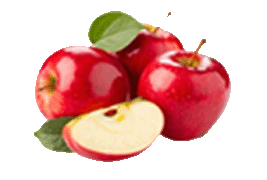
Apple wine is one of the most important and versatile country wines in the UK. It sits somewhere between a crisp white wine and a light cider-style wine depending on the apples used. Cooking apples like Bramley produce a sharper, more structured wine, while dessert apples such as Cox or Russet give a softer, fruitier result. When well made and aged, apple wine develops a clean, refreshing character with subtle orchard fruit notes.
This recipe is designed for fresh apples, but frozen fruit can also be used with excellent results. It is an ideal “first wine” for beginners because apples are widely available, easy to prepare, and forgiving during fermentation.
|
Wine Profile
-
Style: Country Fruit Wine
-
Colour: Pale straw to golden
-
Body: Light to medium
-
Sweetness: Dry (can be back-sweetened)
-
Acidity: Medium to high (depending on apples used)
-
Alcohol: 11–13% ABV
-
Yield: Approximately 1 gallon (4.5 L), around 6 × 750 ml bottles
-
Difficulty: Beginner
Harvest Calendar
-
Harvest Season: September – November (UK)
-
Best Picking Time: Fully ripe, slightly softened apples
-
Suitable for Freezing: Yes (recommended for better juice extraction)
-
Best Source: Garden orchards, allotments, local farms, windfall apples
Ingredients
-
3.5–4.5 lb (1.6–2.0 kg) fresh apples (mixed varieties recommended)
-
2–2.25 lb (900 g–1 kg) white sugar (adjust to taste and apple sweetness)
-
Water (to make up to 1 gallon / 3.8 L total volume)
-
1 tsp yeast nutrient
-
½ tsp pectic enzyme
-
1 Campden tablet (optional, recommended for fresh-picked fruit)
-
Wine yeast (half packet recommended):
-
Lalvin 71B (recommended for fruity, rounded style)
-
Lalvin D47 (more structured, wine-like body)
-
EC-1118 (clean, strong ferment, very dry finish)
Optional Ingredients
-
½ tsp wine tannin (for added structure, especially for dessert apples)
-
Juice of ½ lemon (if apples are very sweet or low acid)
-
1 cinnamon stick (for a lightly spiced variation)
-
1 tsp glycerine after fermentation (for mouthfeel improvement)
Preparation
-
Wash the apples thoroughly and remove any damaged or rotten fruit.
-
Remove stems and cut apples into quarters (no need to peel or core).
-
If using windfall apples, ensure all bruised or mouldy sections are removed.
-
Lightly crush or pulp the apples to release juice. A food processor or fruit crusher works well.
-
Place the crushed fruit into a sanitised fermentation bag inside the primary fermenter.
Making the Must
-
Dissolve the sugar in approximately 2 litres of boiling water.
-
Pour the hot sugar solution over the apple pulp.
-
Add cool water to bring the total volume close to 1 gallon (4.5 L).
-
Allow the must to cool below 25°C (77°F).
-
Add:
- Cover and leave for 24 hours if Campden was used.
Primary Fermentation
-
Add (pitch) the yeast.
-
Stir once or twice daily to keep the fruit cap moist.
-
Press the fruit bag gently back into the liquid each day.
-
Ferment for 5–7 days at room temperature (18–22°C ideal).
Transfer to Secondary
-
Lift the fruit bag and allow it to drain naturally — do not squeeze hard.
-
Siphon the liquid into a sterilised demijohn.
-
Fit an airlock.
-
Top up with cooled boiled water if required.
Secondary Fermentation
Allow fermentation to complete over 3–5 weeks.
Rack (syphon off sediment) into a clean demijohn whenever a layer of lees forms (~1–2 cm).
Clearing & Aging
Once fermentation has fully stopped:
Apple wine improves significantly with time and should be aged for at least 6 months, with 9–12 months giving the best flavour balance.
Expected Results
Tips for Better Apple Wine
-
A mix of apple varieties produces a far more complex wine than a single type.
-
Cooking apples improve acidity and structure, while dessert apples improve aroma.
-
Freezing apples before use helps break down cell walls and improves juice yield.
-
If the wine tastes “thin”, it will usually improve significantly with 6–12 months aging.
-
EC-1118 will produce a very dry wine; 71B gives a softer, fruitier finish.
-
Avoid over-squeezing the fruit bag, as this can release excess pectin and cloud the wine.
About Apple Wine
Apple wine has been made in Britain for centuries, particularly in rural households where apples were abundant each autumn. Before imported grapes became widely available, apple-based wines were a common alternative to grape wine and were often stored through winter for festive occasions.
Unlike commercial cider, apple wine is typically fermented with added sugar to increase strength and create a more wine-like profile. It can range from crisp and dry to slightly sweet and aromatic depending on the apples used and whether back-sweetening is applied.
Serving Suggestions
-
Best served slightly chilled (10–12°C)
-
Pairs well with roast pork, chicken, and creamy cheeses
-
Works well as an aperitif or light summer wine
-
Can be lightly sweetened for dessert pairing
Storage & Aging
-
Improves for up to 2–3 years in bottle
-
Store in a cool, dark place
-
Avoid temperature fluctuations
-
Best drinking window: 9 months – 2 years
Frequently Asked Questions
Can I use store-bought apples?
Yes — supermarket apples work well, though mixing varieties improves flavour.
Can I use apple juice instead of fresh apples?
Yes, but the recipe should be adjusted slightly for a juice-based version.
Why is my apple wine cloudy?
Pectin haze is common; ensure pectic enzyme is used and allow more aging time.
Can I make it sparkling?
Yes, but only after full fermentation and proper stabilisation.
Do I need to peel the apples?
No — skins add flavour, colour, and tannin
|